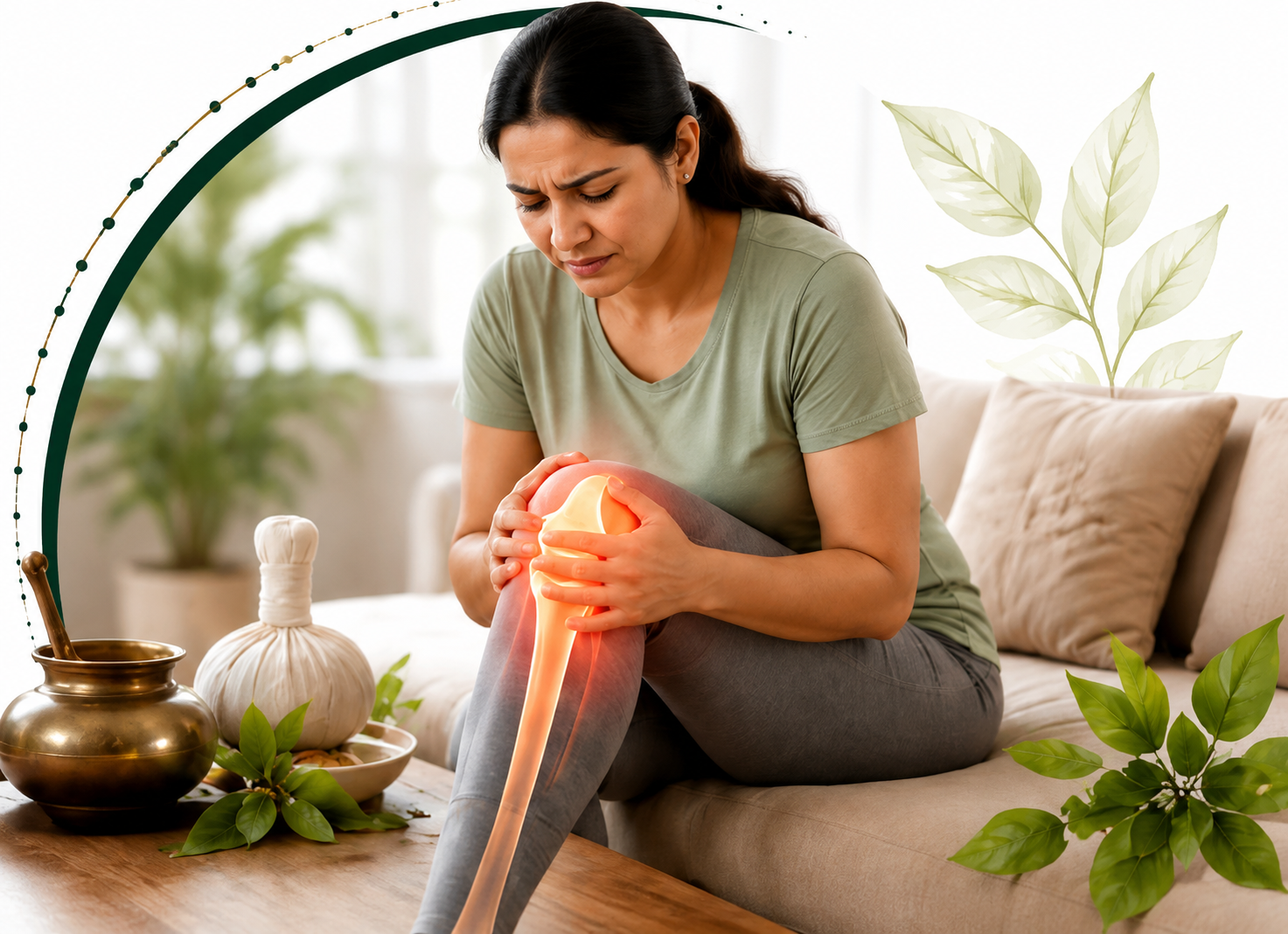

Joint Pain
Treatment

Relive Pain. Restore Movement. Reclaim Life.
Experience the power of ayurveda to treat the root cause of joint pain,reduce inflammation and improve mobility naturally.

Reduces Pain & Inflammation

Improves Mobility & Flexibility

Strenthen Bones & Joints
Enhances Daily Activity

Natural Healing Without Side Effects.

Improves Quality of Life
Why Choose Ayurveda for Joint Pain?
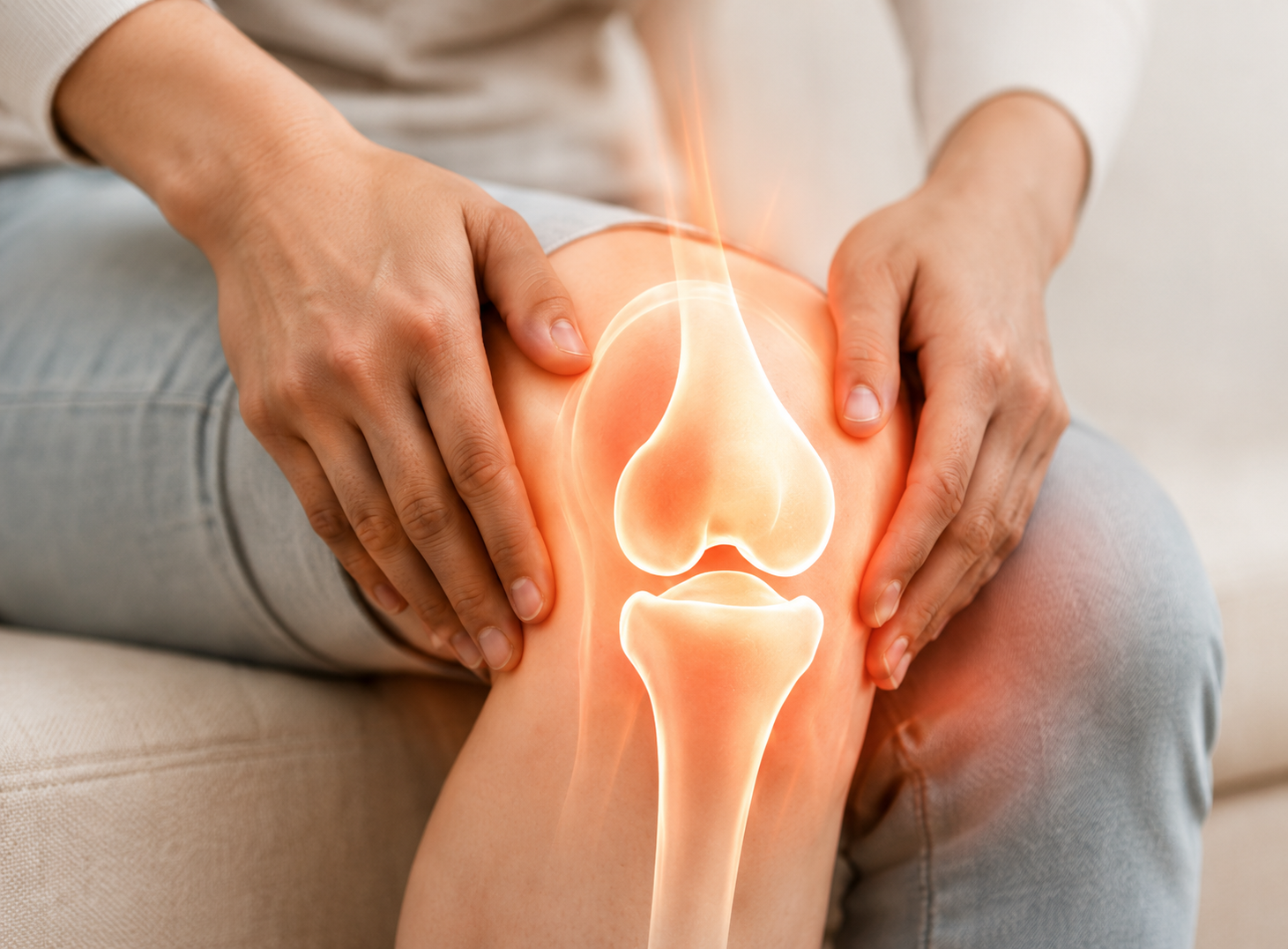
Ayurveda treats the root cause of joint pain by balancing doshas, removing toxins, nourishing tissues and strenthening joints naturally.
- Addresses Root Cause
- Reduces Swelling & Stiffness
- Nourishes & Lubricates Joints
- Prevents Recureence Naturally
- Holistic & Long Term Relief
Our Joint Pain Treatments
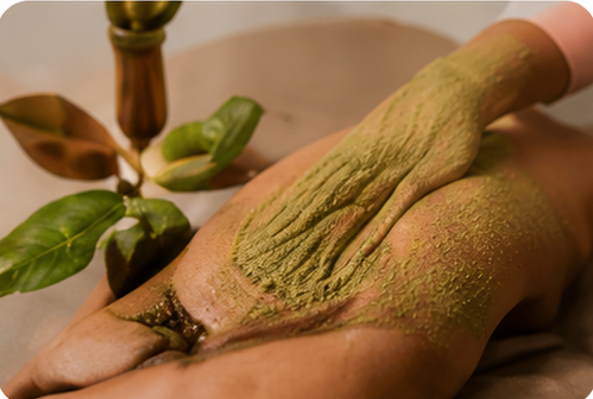
Udwartana
Herbal powder massage for reducing excess fat.
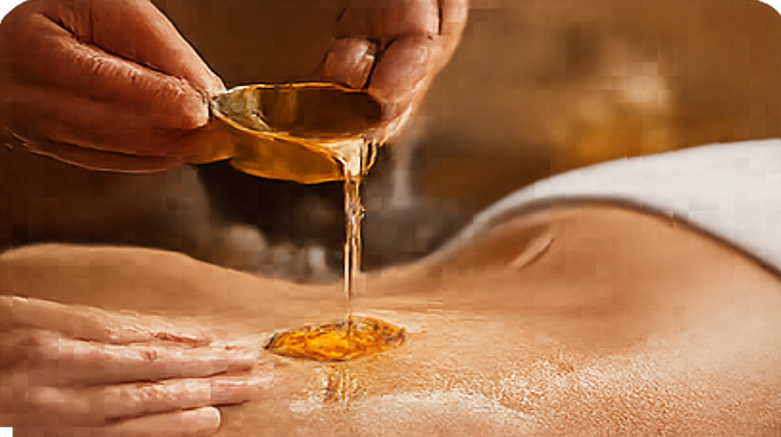
Abhyanga Massage
Medicated Oild massage to reduce pain, improve blood circulation and relax muscles.
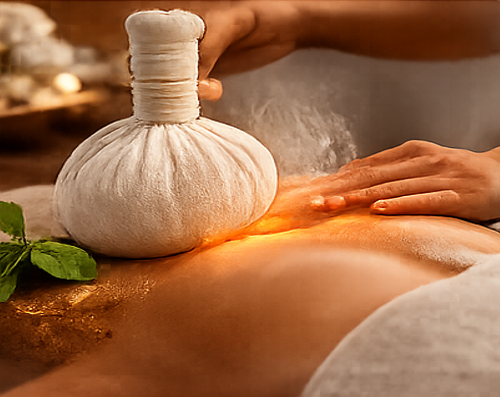
Pinda Sweda
Herbal fomentation, to reduce stiffness, inflammation & joint pain.
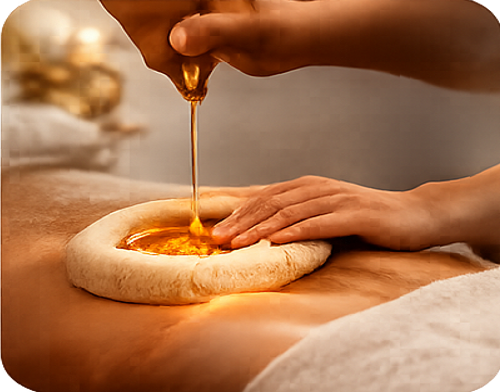
Kati Basti/ Janu Basti
Medicated oil therapy for targeted relief in lower back, knee and other joints.
Udwartana
Herbal powder massage for reducing excess fat.
Yoga & Therapy
Specialized youga & exercise to improve flexibility, strength, & Joint Function
Ayurvedic Medicines
Herbal Formulations that reduce pain, inflammation & support joint health.
Diet & Lifestyle Guidance
Personalized diet & lifesyle plan to support healing & prevent recurrence.
Why Choose Dr. Bhandarwar's Ayurveda ?
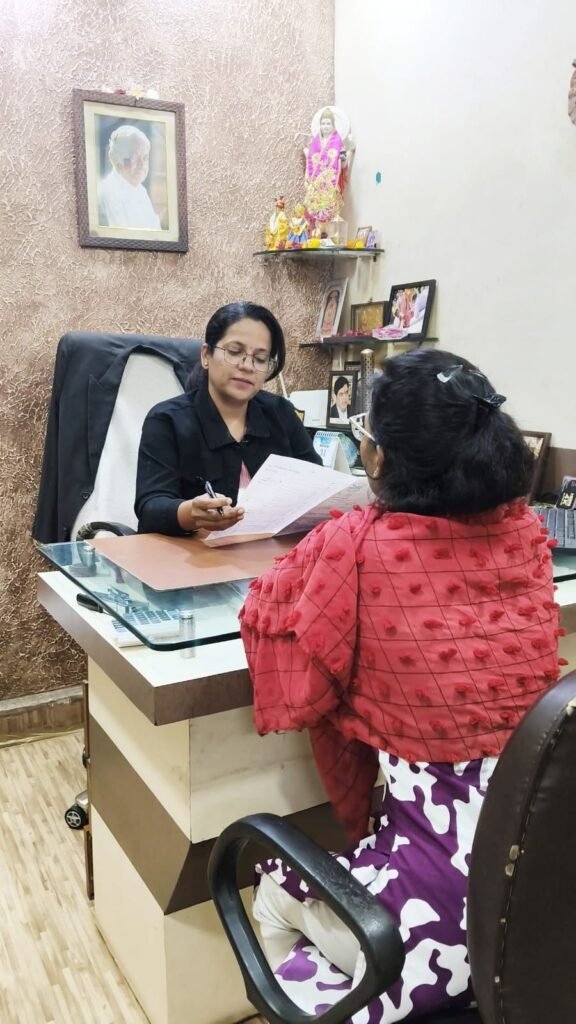
- Experienced Ayurvedic Doctors
- Individual Treatment Plans
- Classical Ayurvedic Therapies
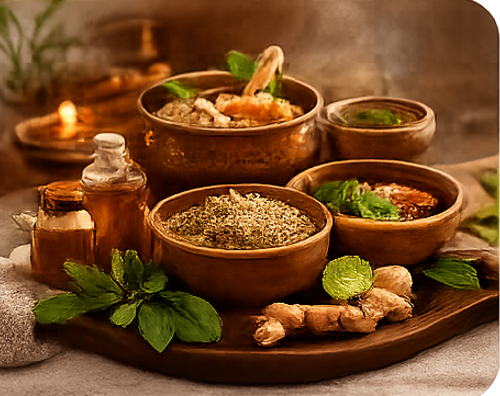
- Authentic Herbal Medicins
- Advanced Panchakarma Centre
- Holistic Healing Approach
- Diet & Lifstyle Counselling
- Longterm Wellness Focus
Find Us Here !
FAQs (Frequently Asked Questions)
1. What causes joint pain?
Joint pain can occur due to arthritis, age-related wear and tear, injuries, inflammation, autoimmune disorders, obesity, or excessive strain on the joints. An accurate diagnosis helps determine the most suitable treatment.
2. How does Ayurveda treat joint pain?
Ayurveda focuses on identifying the root cause of joint pain rather than only relieving symptoms. Treatment may include herbal medicines, Panchakarma therapies, medicated oils, diet modifications, lifestyle guidance, and therapeutic yoga based on the individual’s condition.
3. Can Ayurveda help with knee pain?
Yes. Ayurvedic treatment may help manage knee pain caused by osteoarthritis, ligament strain, inflammation, stiffness, or age-related degeneration by reducing pain, improving mobility, and supporting joint health.
4. Which joint conditions can be treated with Ayurveda?
Ayurvedic treatment may help manage:
- Knee Pain
- Osteoarthritis
- Rheumatoid Arthritis
- Cervical Spondylosis
- Lumbar Spondylosis
- Frozen Shoulder
- Sciatica
- Back Pain
- Neck Pain
- Hip Pain
- Ankle Pain
- Joint Stiffness
5. What Ayurvedic therapies are commonly used for joint pain?
Depending on the diagnosis, therapies may include:
- Abhyanga (Medicated Oil Massage)
- Janu Basti
- Kati Basti
- Pinda Sweda
- Patra Pinda Sweda
- Elakizhi
- Panchakarma Therapies
- Herbal Medicines
6. Is Ayurvedic treatment safe for elderly patients?
Yes. Ayurvedic treatment is generally suitable for elderly patients when prescribed by a qualified Ayurvedic physician. The treatment plan is customized according to age, health condition, and medical history.
7. How long does Ayurvedic treatment take to show results?
The duration varies depending on the severity of the condition, age, lifestyle, and overall health. Some patients experience relief within a few weeks, while chronic conditions may require longer treatment and regular follow-up.
8. Can Ayurveda reduce the need for painkillers?
Many patients seek Ayurvedic treatment to help manage pain naturally. Your doctor will advise you about any changes to your medications. Do not stop prescribed medicines without consulting your healthcare provider.
9. Will I need Panchakarma for joint pain?
Not every patient requires Panchakarma. After a detailed consultation, the doctor will determine whether Panchakarma or other Ayurvedic therapies are appropriate for your condition.
10. Can diet affect joint pain?
Yes. Ayurveda considers diet an important part of treatment. Following an appropriate diet may help reduce inflammation, improve digestion, and support healthy joints.
11. Is exercise recommended during treatment?
Yes, but only suitable exercises based on your condition. Gentle stretching, physiotherapy exercises, yoga, and walking may be recommended depending on your joint health.
12. Can Ayurveda help avoid joint replacement surgery?
In some cases, Ayurvedic treatment may help reduce pain, improve joint function, and delay disease progression. However, results vary, and surgery may still be necessary for severe structural joint damage.
13. Are there any side effects of Ayurvedic treatment?
When treatment is provided by a qualified Ayurvedic doctor using appropriate medicines and therapies, it is generally considered safe. Always follow the prescribed dosage and treatment plan.
14. Do I need any tests before starting treatment?
If required, your doctor may recommend X-rays, MRI scans, blood tests, or previous medical reports to better understand your condition and prepare a personalized treatment plan.
15. When should I consult an Ayurvedic doctor for joint pain?
You should seek medical advice if you experience:
- Persistent joint pain
- Swelling or redness
- Morning stiffness
- Difficulty walking or climbing stairs
- Limited joint movement
- Pain affecting your daily activities
16. Can I book an appointment online?
Yes. You can easily schedule an appointment through our website or contact our clinic for a personalized consultation with Dr. Bhandarwar’s Ayurveda.
Ready to Begin Your Wellness Journey ?
Book your consultation yoday and take the first step towards natural, lasting health